


What is Supply Path Optimization as it relates to programmatic advertising?
 SPO for Programmatic Ads
When advertisers closely examine how they buy advertising, they can be choosy about publishers, ad exchanges, and Supply Side Platforms (SSPs). Implementing SPO (Supply Path Optimization) is the process of favoring certain sources and rejecting others. One specific SPO tactic is implementing curated packages of inventory via the advertiser’s preferred DSP. See our presentation to see how advertisers, agencies and publishers are adapting to AI, Curation, and other developments in programmatic advertising.
How much should a business spend on advertising to remain competitive in 2026?
 Building an Ad Budget for 2026
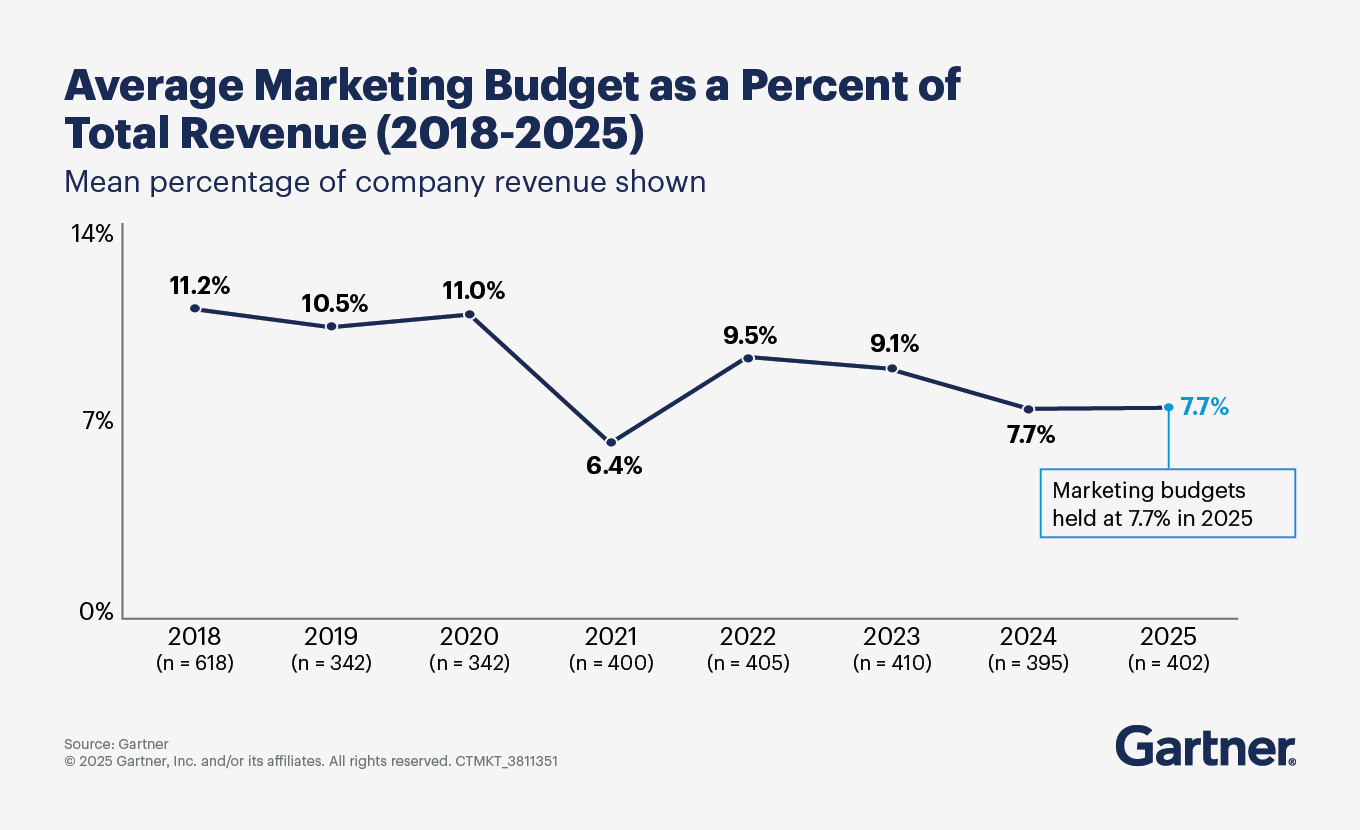
In 1995, average marketing budgets were 11.2% of company revenue, according to Gartner consulting. In the five years after the pandemic, this has fallen to just 8.1% in 2025, according to Ewan McIntyre, Vice President Analyst at Gartner, who summarized the 2025 CMO Spend Survey at the Gartner Marketing Symposium/Xpo on May 12, 2025.
Should advertisers install pixels from Google, Facebook and Meta on their Websites?
 Starve The Tech Giants
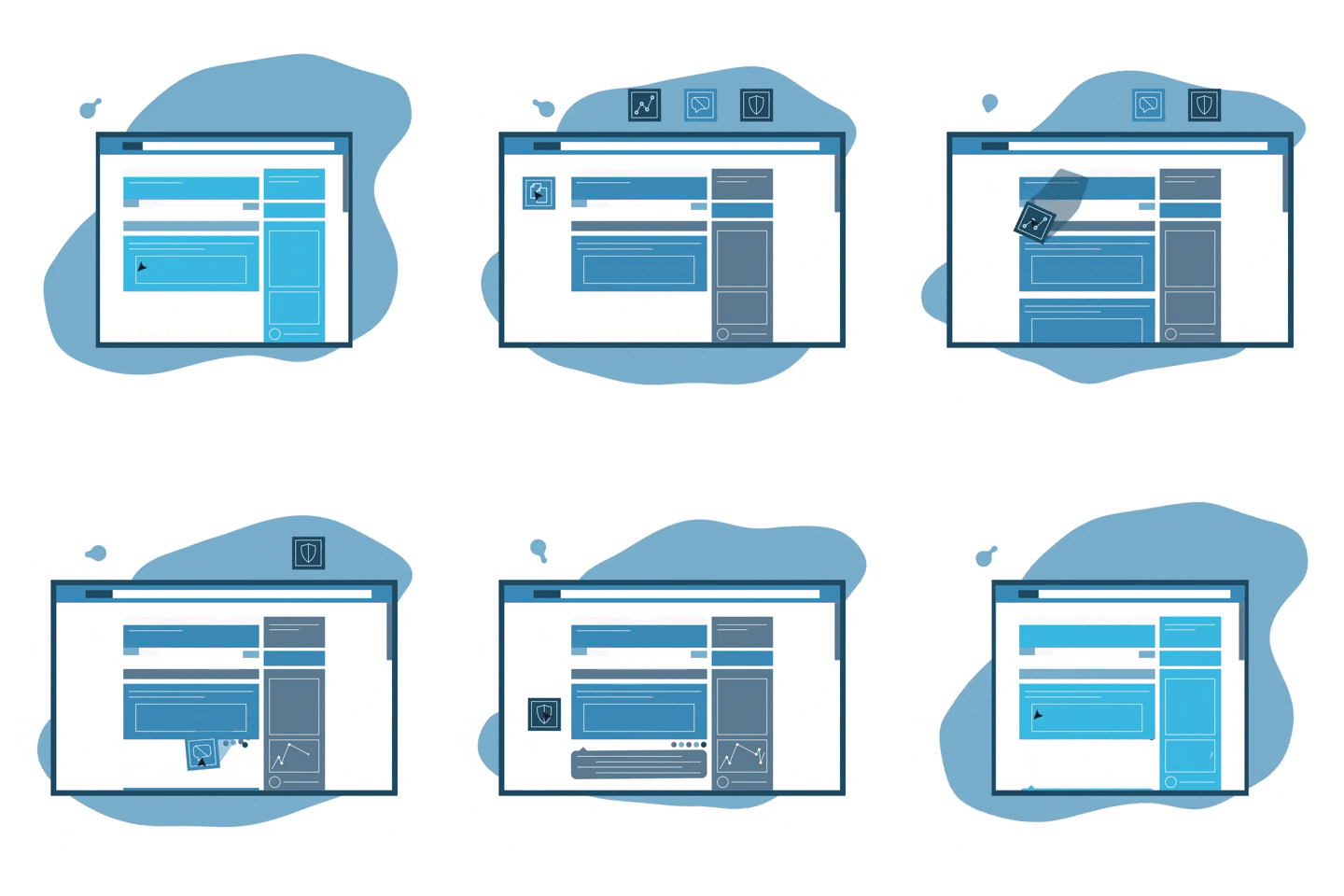
If you have competitors who also advertise on Google and Facebook, you might want to think twice before installing these pixels. When installed, the tech giants promise that the pixels will pass information to their platforms to help them target the right prospects and measure results. But we have seen data shared with the tech giants are used to benefit other advertisers in the same category.
Are advertisers moving their budgets away from tech giants like Facebook & Google this year?
 Advertisers Reject Black Boxes
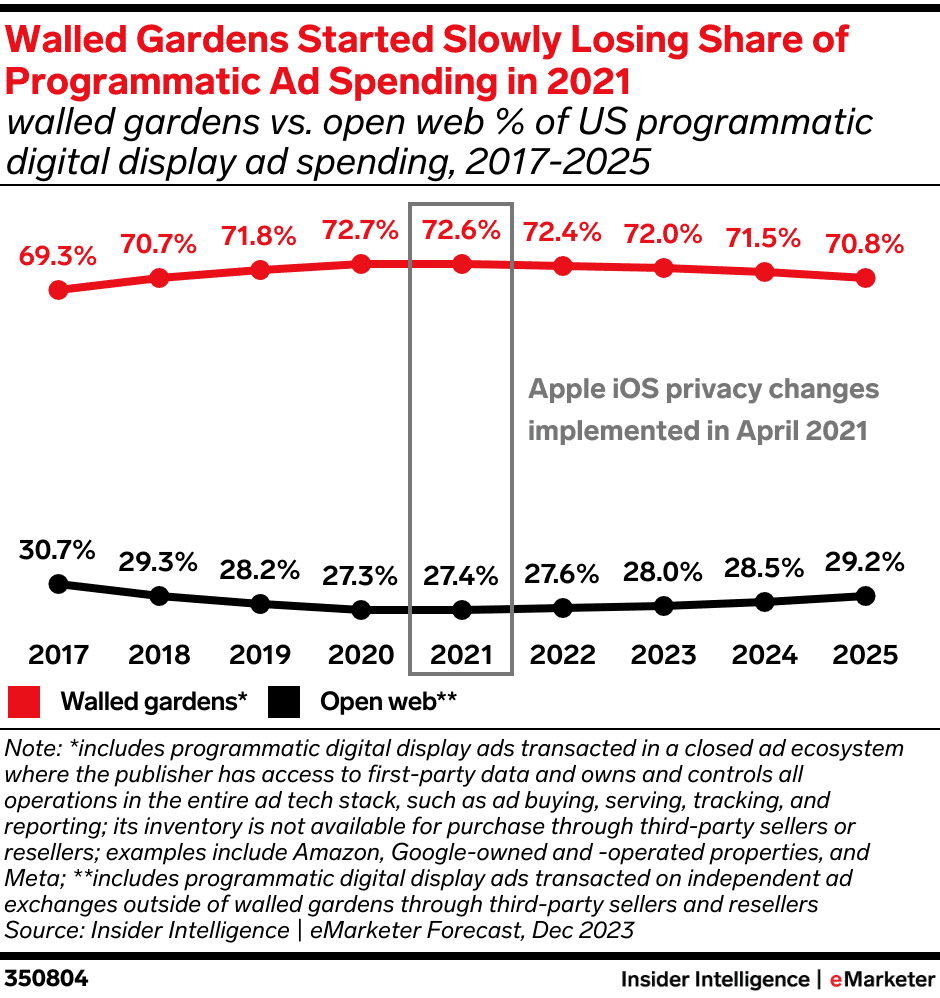
We are seeing it but don’t our word for it. Here’s what Marketer Senior Editor Daniel Konstantinovic wrote on June 3, 2024: “As distrust of major ad platforms rises and the industry takes amore open-ended approach, walled gardens are likely to see their share of ad spending diminish. The cost of running ads on major digital platforms like Google and Meta has increased, leading budget-conscious brands to reevaluate their strategies. Scandals that have plagued the ad duopoly in the last year and cast doubt over its quality control, brand safety, and return on investment haven’t helped. “I have clients who’ve transitioned out of Performance Max completely, to a mix of Google ads (search campaigns) and outside of the walled garden, open web campaigns,” said John Davis, director of audience development at Crowd LouderMedia. This shift marks a significant moment in the advertising industry as marketers reassess their relationship with black-box AI solutions and seek greater visibility intowhere their ad dollars are actually going.
Why Do Facebook & Google Ad Costs Always Go Up?
 Reducing Search & Social Ad Budgets
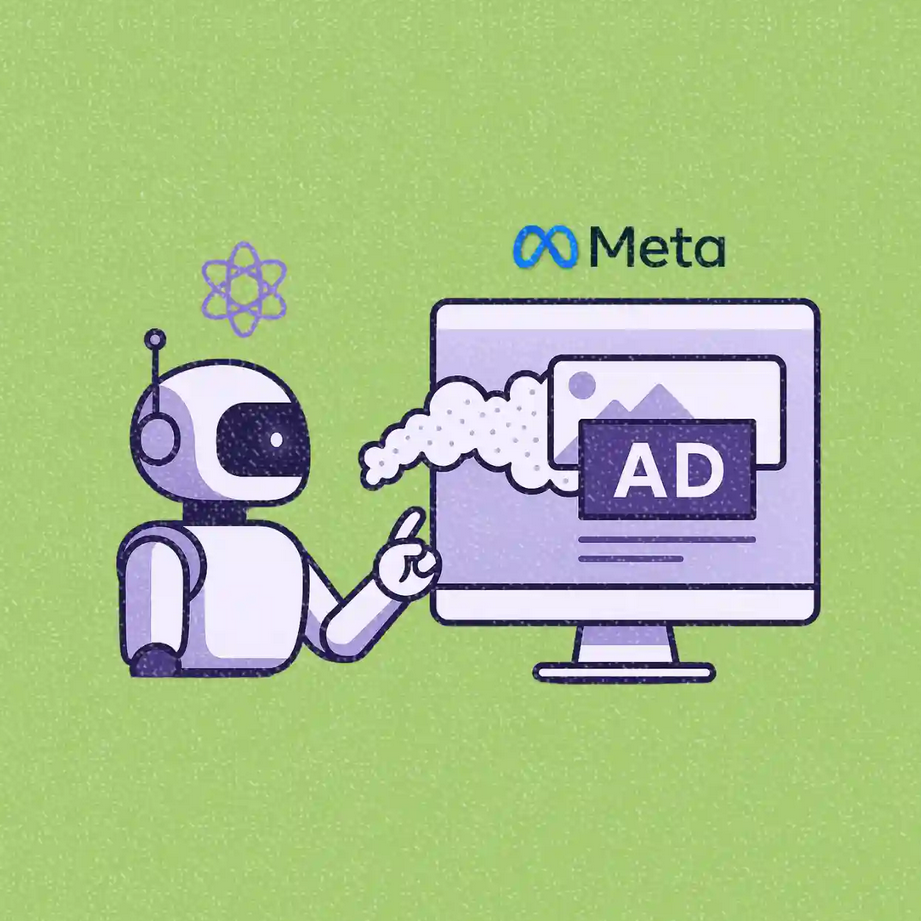
Walled Gardens always put themselves between advertisers and the people who use their platforms. Their goal is to keep advertisers coming back with campaigns that educate and engage your prospective customers. The more dependent you areon those platforms, the more you must pay to reach customers. But there are alternatives that rely on engaging users on the open web, i.e., ad-supported websites and mobile apps that enable a wider spectrum of ad targeting. One CrowdLouder Media client reduced their Google spending by 50% by stopping their Performance Max campaigns and moving those budgets to programmaticadvertising on the open web. The awareness campaign was just as effective and simple to execute.
How can smaller publishers and media companies adapt to advertiser trends that favor programmatic media buying?
 Audience Extension for Publishers
Many advertisers prefer to buy programmatically to help unify their reporting and budget management. Sales teams don’t have to devalue the publisher’s core product when they bring advertisers a new Audience Extension offering available to advertiser via programmatic channels. Our Audience Extension programs enable your clients to spend more directly with you. See how Publishers & Media Companies are earning Larger slices of their advertiser's budgets.
Why Don't Ad Clicks Equal Web Visits?
 Ad Clicks vs Web Visits
There is always a difference between ad clicks reported by an ad server and website visits reported by your web analytics solution. Ideally, they should be the same but they are actually measuring different things. Your website analytics platform will attempt to attribute your incoming traffic to channels such as “Paid Media,” “Organic Search, etc.” If it can’t attribute the traffic, it may be incorrectly labelled as “Direct.”
When Should Agencies Invoice Advertising Clients?
 Waterfall Economy of Ads
Some agencies ask clients to prepay. Crowd Louder Media will invoice partners and clients after your advertising has started. And we ask that invoices are paid within 30 days. Specialty agencies entering the paid media business for the first time need to know. Advertising clients don't pay invoices any faster that clients hirng for website development, creative services, or anything else. You'll need to be able to pay your vendors and partner invoices within 30 days while waiting up to 3-6 months for some advertising clients to pay you.
Why Is My Search Engine Traffic Slowing?
 AI Impacts on Traffic
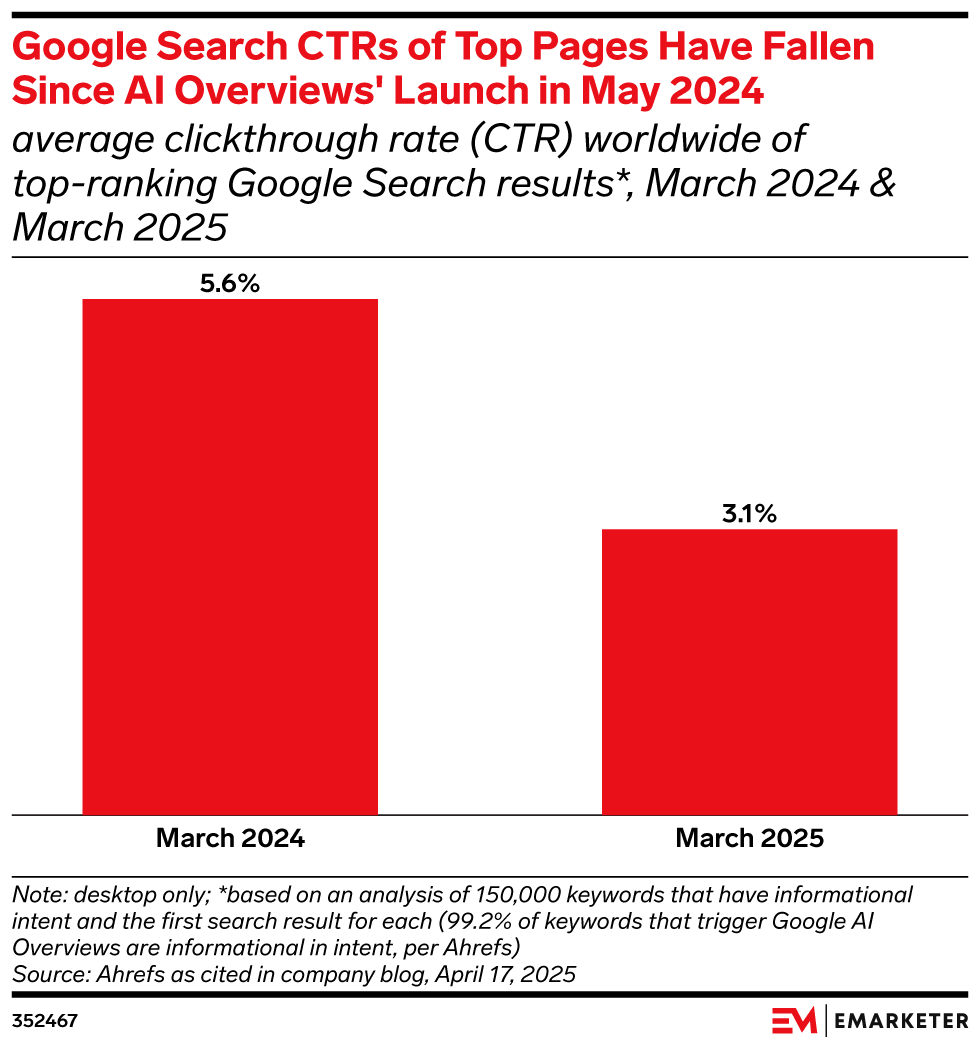
Google referrals to the Daily Mail's newspaper website have declined as much as 89% since the tech giant introduced AI overviews to search results pages. But publishers aren't the only ones impacted by AI overviews on Search Engine results pages. Almost any kind of business will be impacted, regardless of whether they are advertising with the search engines.
How can a publisher offer programmatic ads without harming direct sales?
 Mind blown?
Direct sales of an "Audience Extension" offering is just one option. At the New York Times, the direct sales team is offering programmatic advertising solutions to advertisers - often customized to each client.